
Why Does My Hardwood Floor
Have Gaps?
If you've noticed gaps in your hardwood floors, you're not alone. Learn the common causes, which gaps are normal, and when to call a pro.
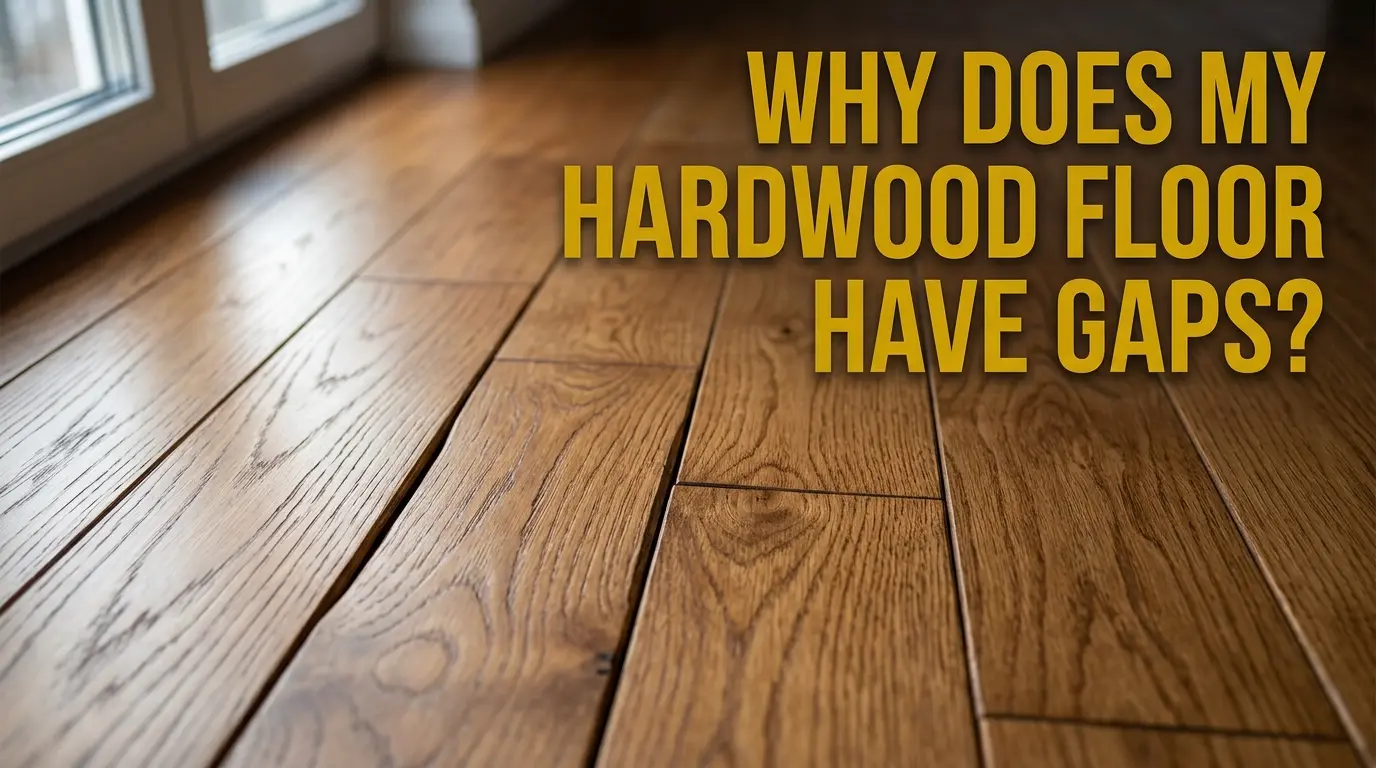
If you've noticed gaps in your hardwood floors, you're not alone. It's one of the most common concerns we hear from New Jersey homeowners. Small gaps can show up in almost any home, especially as the seasons change. Wood is a natural material — when the air is dry, boards shrink and pull apart. When it's humid, they swell back together. In this article, we'll walk through why gaps happen, which ones are normal, and when to call a pro.
What Causes Gaps in Hardwood Floors?
Most gaps come down to one thing: moisture. In dry winter months, heating reduces humidity and boards lose moisture, causing them to shrink. When summer brings humidity back, the boards swell and many gaps close on their own. Other causes include rushed installation where the wood wasn't allowed to acclimate, poor subfloor prep, or a hidden moisture problem under the floor. Knowing the cause helps you decide whether gaps are seasonal or something more serious.
Which Gaps Are Normal and Which Aren't?
Thin, even gaps that appear in winter and close in summer are usually normal. They come and go with the seasons and don't mean your floor is failing. Gaps that concern us are those that are wide, uneven, or don't close when weather changes. Gaps that grow over time, or that appear alongside soft spots, squeaks, or visible warping, may point to a moisture problem or structural issue below. If you're unsure, have a professional take a look.
How to Reduce Gaps in Your Hardwood Floors
The best thing you can do is control humidity in your home year-round. A humidifier in winter and air conditioning in summer help keep moisture levels stable, reducing how much your boards shrink and swell. When floors are installed, proper acclimation matters too — the wood needs time to adjust to your home's environment before it goes down. If gaps are already there and causing concern, a flooring professional can assess whether filling, refinishing, or board replacement is the right fix.
When to Call a Professional
Call a pro if your gaps are wide enough to catch a coin, if they're uneven across the floor, or if they don't close when humidity returns in summer. The same applies if you notice cupping, warping, or soft spots nearby. These signs can point to a moisture problem that needs attention before it spreads. Kenneth's Hardwood Floors serves Bergen County, NJ and surrounding areas. We offer free, no-obligation estimates and honest advice.
Frequently Asked Questions
Small seasonal gaps that open in winter and close in summer are normal. Wide or permanent gaps that don't close are worth a professional look.
Keep your home's humidity stable year-round. Use a humidifier in winter and air conditioning in summer. Proper acclimation at installation also helps prevent gaps.
Yes. Seasonal gaps often close on their own. Larger permanent gaps can be filled or repaired by a flooring professional. In serious cases, board replacement may be needed.
Call a pro if gaps are wide, uneven, or permanent. Also if you notice warping, soft spots, or gaps that keep growing. These can signal a moisture problem that needs attention.
Have Gaps in Your Floors?
Kenneth's Hardwood Floors serves Bergen County, NJ. Free, honest estimates with no pressure or obligation.